

OUR HOME AUDIT SERVICE
What Is a Home Health Check?
A Home Health Check is an independent assessment carried out by EnergyCymru to identify potential issues with insulation, ventilation, heating systems and renewable installations completed under ECO or other home upgrade schemes.
We assess the condition of the work, review documentation and highlight areas that may need attention, further investigation or rectification. Our goal is to give you clear information so you can take the correct next steps with installers, warranty providers or relevant scheme bodies.
We do not install, fix or sell measures.
We provide clarity, evidence and guidance.
What is our role?
To keep everything clear, professional and legally compliant:
- We do not install or carry out remedial works
- We do not issue PAS 2030 or MCS certifications
- We do not provide legal advice
- We do not guarantee outcomes with installers or warranty providers
- We do not climb onto roofs or access unsafe areas
- We do not act as a government inspector
Our role is to provide independent observations, highlight potential risks and direct you to the appropriate route for rectification.
What’s Included in Our Audit
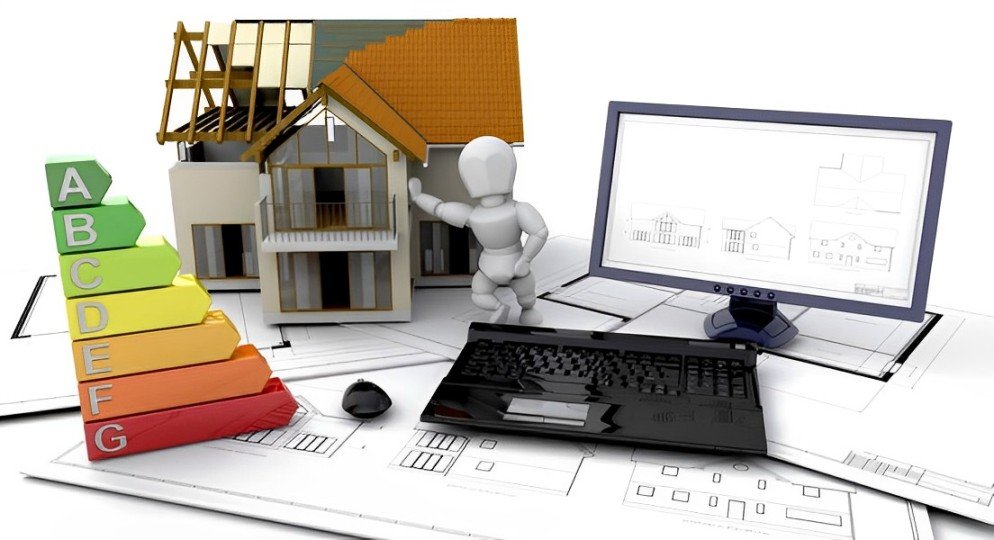
Each Home Health Check includes
Insulation Review
- Loft insulation depth and coverage
- Cavity wall insulation indicators
- Underfloor insulation installation quality
- Room-in-roof and internal wall issues
- Signs of cold bridging or heat loss
- Moisture or condensation concerns
Ventilation Assessment
- Presence and condition of extract fans
- Trickle vents
- Passive vents
- Ventilation suitability based on insulation level
- Condensation risk indicators
Heating System Review
- Boiler or heat pump commissioning indicators
- Pipe insulation
- System configuration observations
- Signs of poor installation
- Missing documentation
Renewable Energy Checks
- Solar PV inverter and electrical safety indicators
- Roofline visual inspection from ground level
- DNO approval and documentation
- Mounting issues observable from safe access points
Documentation Review
- ECO paperwork
- EPC records
- Retrofit paperwork
- Warranty and guarantee documents
- Missing or incomplete documentation
Clear Written Report
- Issues identified
- Indicators of potential non-compliance
- Recommended next steps
- Which organisation is responsible for rectification
- Template letters you can use to raise concerns
What Standards We Reference
Our assessments reference elements of:
- PAS 2030 installation requirements
- PAS 2035 retrofit principles
- MCS guidance (for solar and heat pumps)
- Manufacturer installation guidelines
- Typical industry best practice
- ECO scheme expectations
- Consumer Rights Act obligations
- We do not certify compliance.
We highlight indicators and concerns based on these recognised standards.
Who We Help

Homeowners
Across Wales, especially those who had insulation, heating or renewables installed under ECO or LA Flex and want peace of mind.

Landlords
Checking ECO-era upgrades for safety, suitability and regulatory expectations.

Councils / LA Flex Teams
Ensuring vulnerable households are safe and identifying high-risk installs requiring review.

Home Sellers / Buyers
Providing clarity on past installations before a sale or purchase.
Why Audits Matter After ECO Ends
ECO ends in March 2026 but the responsibility for defective work does not.
- Installers remain liable for up to six years
- Many insulation measures carry 25-year warranties
- TrustMark obligations continue well beyond scheme closure
- Warranty providers rely on evidence to take action
- Installers become harder to contact after funding ends
- Households need clear documentation to raise issues
A Home Health Check provides the evidence and guidance needed to start the correct process before time limits expire.
Who Fixes What — Responsibility Overview
A simple view of who normally handles rectification:
Installers
Responsible for poor workmanship, missing ventilation and incorrect installations.
Warranty / Guarantee Providers
Such as CIGA, SWIGA, GDGC, QANW — step in when installers won’t or can’t.
TrustMark / Certification Bodies
Investigate missed standards and can force installer action.
Ombudsman / ADR Schemes
Investigate disputes and can issue binding decisions.
Consumer Rights Act
Covers homeowners for up to six years after installation.
Our report helps guide you to the correct route.
The Issues We Reference
Where available, we provide before-and-after images from past audits to help you understand what issues may look like in real homes, such as:
- Missing loft insulation
- Damp caused by insulation bridging
- Incorrect solar cable routing
- Blocked ventilation
- Slumped cavity insulation indicators
- Poorly installed underfloor insulation